
The English Poor and the Changing Land
Wolf HallThis thread traces how poverty, enclosure, food scarcity, and reform shape Cromwell’s vision of what government owes its people.
increasing Bearing strength in each event
 decreasing
Bearing strength in each eventdecreasingDisplacement and Hunger
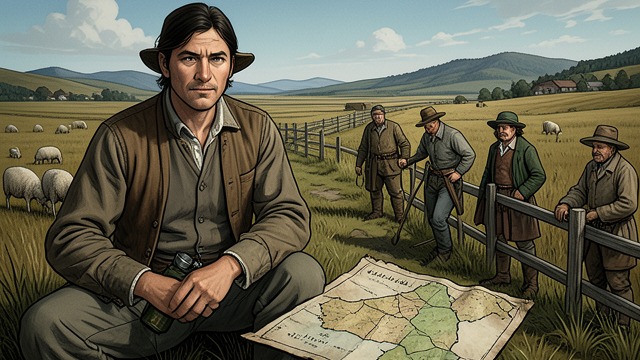
A Kingdom Under Pressure
Land and livelihood
Cromwell sees smallholders displaced as sheep farming expands and communities lose access to land. Harvest failures and poor employment make hunger a recurring political danger.
Reform imagined
He wants accurate assessments of land and taxes, believing better information can improve the commonwealth. His reform language arises from conditions he has seen rather than from a purely theoretical ideal.
A Bill Against Large Flocks
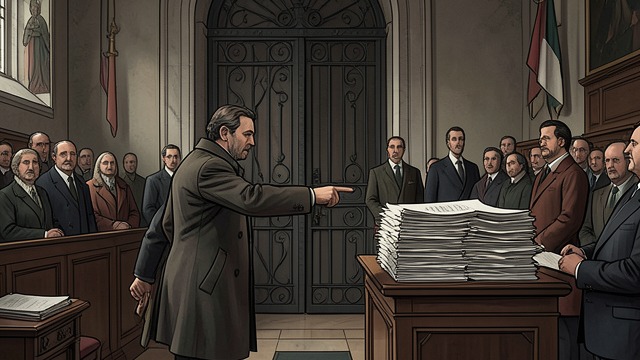
Limiting the Runners of Sheep
Parliamentary measure
Cromwell backs a bill limiting flock sizes in response to enclosure and rural displacement. Gardiner mocks the plan and questions how it can be enforced across the country.
The challenge of implementation
A statute cannot quickly restore lost homes or livelihoods. The debate reveals both Cromwell’s willingness to legislate for the poor and the practical limits of centralized government.
The People Asked to Swear
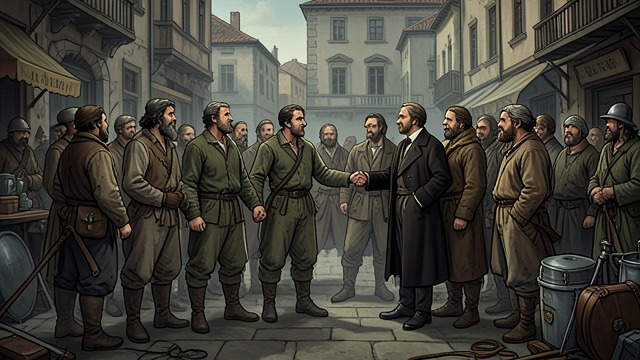
Political Subjects Made Visible
Ordinary voices matter
Cromwell insists that laborers and women can swear meaningful oaths, not merely nobles and bishops. He sees them as members of the political community even when they cannot read.
Inclusion with a condition
The oath gives common people a place in the state’s legal imagination, but asks them to endorse royal policy. Participation can broaden political identity while also extending surveillance.
1529–1532
1534
1534–1535
